
11th Annual FI/Self-Direction Summit
October 28, 2026 | 12:00 AM EDT - October 29, 2026 | 12:00 AM EDT
Add to Calendar
Hilton Garden Inn | 235 Hoosick St
Troy, NY 12180
Directions
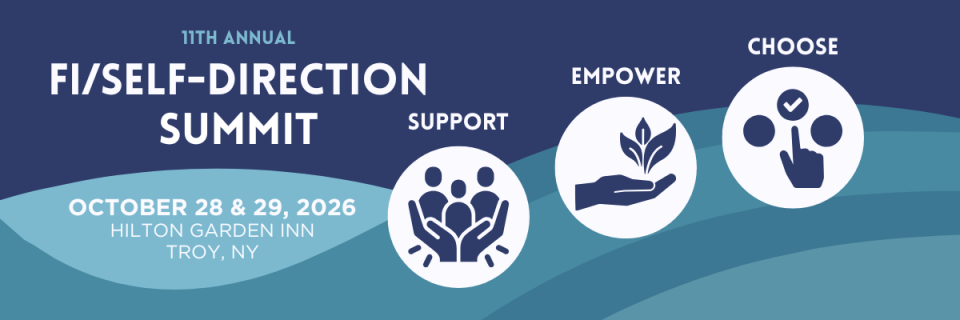
The 11th Annual FI/Self-Direction Summit will take place on October 28th & 29th, 2026 at the Hilton Garden Inn in Troy, NY. The conference will feature information sharing and best practices from across the state on topics of interest to fiscal intermediaries and self-direction services. The Call for Presentations is coming soon! Stay tuned!
Event Dates & Times:
Wednesday, October 28th
Registration Opens at 11:30am
Program Runs from 12:30pm - 6:45pm
Thursday, October 29th
Registration Opens at 7:30am
Program Runs from 8:30am - 3:45pm
*These times are subject to change.
Conference Venue:
Hilton Garden Inn Troy
235 Hoosick St, Troy, NY 12180
Hotel Reservations:
Summit registration DOES NOT include overnight accommodations. You must make your own reservations using the information below, separate from registering for the event. The NY Alliance has secured a block of rooms at a discounted rate for overnight accommodations at the conference venue, Hilton Garden Inn.
Click here to make your reservation!
If you find that the conference hotel is sold out, here are other options close to the venue:
Courtyard by Marriott Albany Troy/Waterfront
515 River St, Troy, NY 12180 • (518) 240-1000
Best Western Plus Franklin Square Inn Troy/Albany
1 4th St, Troy, NY 12180 • (518) 274-8800
Agenda
Wednesday, October 28th
Registration Opens at 11:30am
12:30 - 1:45pm Keynote Presentation: Dr. Shawna Aarons-Cooke, MSW, LCSW-R
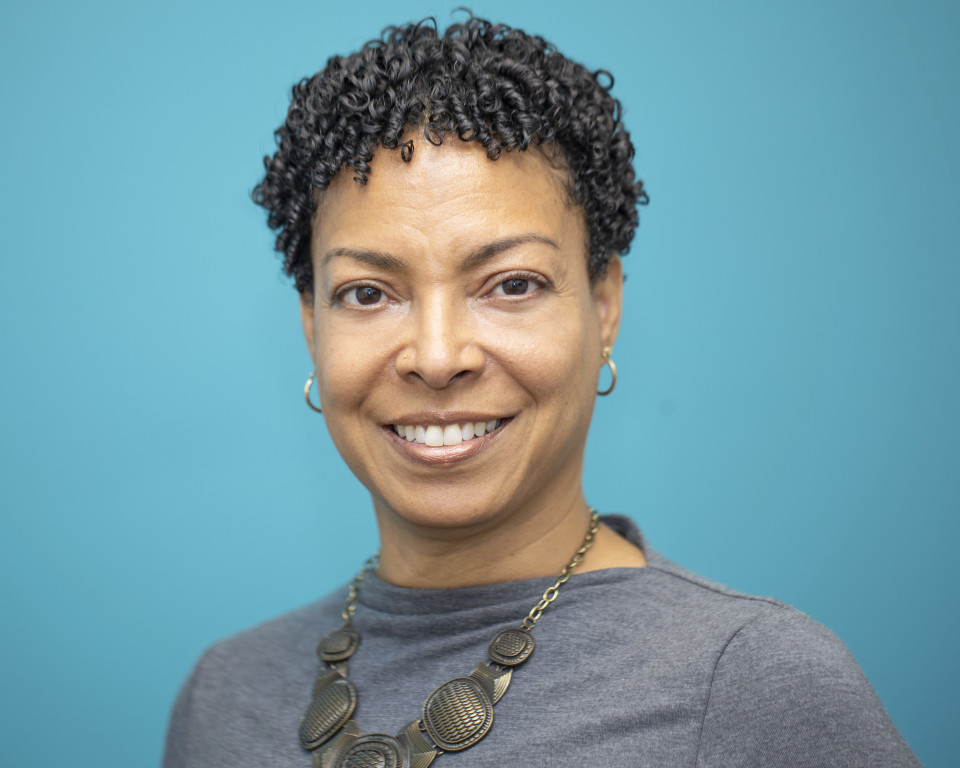 Dr. Shawna Aarons-Cooke is a New York based mental health and holistic wellness advocate committed to Trauma-Informed, equity-focused, and culturally affirming community and workplace wellness. Her career spans corporate philanthropy, child welfare, adolescent health, youth development as well as community based mental health and substance use treatment programs. She has held progressive leadership roles in the non-profit sector in addition to providing psychotherapy and community education workshops for 20 years. Dr. Aarons-Cooke holds a Doctor of Social Work from Simmons University, a Master of Social Work from New York University, and a Bachelor of Science in Mass Communications and Public Relations from Boston University.
2:00 - 3:00pm General Session: The True Meaning of Person-Centered Work: Listen to its Creators
Chris Liuzzo, Consultant, NY Alliance for Inclusion & Innovation
In 2025, The New York Alliance for Inclusion and Innovation, with support from the NYS Council on Developmental Disabilities, created a 17-episode podcast series on person centered planning, person centered work and person centeredness.
Among the 12 contributors to the series were Beth Mount, Jack Pearpoint and the late John O'Brien, all of whom are widely acknowledged as among the inventors of person-centered planning. Nine other experts, almost all of whom have long histories of working with these three founders, also joined the series.
In this presentation, Chris Liuzzo, the host of the series, will discuss what these guests had to say about what some of them call "authentic " person centered work and its stark contrast with what often passes as such today.
3:15 - 4:15pm Concurrent Sessions
1) Employment Services (Self Hired SEMP vs DPP SEMP) and how it "Works"
Springbrook created an organizational structure to provide oversight and guidance for both Self Hired SEMP, DPP SEMP and agency based employment services. We will share why we decided to create this structure and how it benefits the individuals. This structure has improved the quality and efficiency of the services while ensuring our compliance with OPWDD SEMP regulations. We will share the pros and cons of both of these employment service models.
Michele Gravel, Director of Employment Services, Springbrook
2) How to Create a Collaborative Life Plan
Each individual deserves a person-centered life plan, but the reality is that each service provider also has specific requirements of this document that serves as a "prescription of services" for the person. From the I AM Assessment to the Staff Action Plan, this presentation will discuss collaborative approaches to creating a person-centered life plan document that meets the needs of the person as well as their Care Manager, Support Broker and Fiscal Intermediary.
Marret Arfsten, Director of Self Direction, Community Mainstreaming Associates
3) Can I Sustain Non-Certified Housing and SD Services?
The Housing Resources for Independent Living initiative, funded by the Council on Developmental Disabilities, supported the redesign of the New York Housing Resource Center and the creation of public resources on non-certified housing options and related services. This presentation will share how the New York Alliance is building on that work through statewide research into strategies that help people with intellectual and developmental disabilities maintain access to non-certified housing when parent or family support is limited or absent. Participants will be the first to hear initial findings of the research, including results of our statewide survey and regional facilitated discussions. Join us to hear about emerging best practices that people with I/DD and their support networks can use to sustain independent living options.
Seth Greenman, Co-Director, NY Housing Resource Center
4:30 - 5:30pm Concurrent Sessions
1) How to Attend a CAS/CANS: Guidelines for Concerned Parents, Support Brokers, and Care Managers
Accurate CAS/CANS assessments are essential for determining supports, safeguards, budgets, and service planning across the OPWDD system. Many families and professionals struggle to fully communicate an individual's needs during the interview, which can lead to under‑scoring. This session provides practical guidance for parents, Support Brokers, and Care Managers on preparing for CAS/CANS interviews so the assessment reflects the person's true daily functioning, risks, and support requirements.
Presenters will show how slowing down the interview and giving detailed descriptions of daily routines leads to more accurate scoring. Participants will learn how vague statements-such as "I remind him to get ready"-often result in lower ratings, while specific descriptions of actual support (laying out clothing, preparing meals safely, providing hand‑over‑hand assistance, monitoring choking risks, ensuring safety awareness) produce scores that reflect real need. Key phrases such as "present, not exhibited," "requires full physical assistance," and "needs continuous supervision for safety" will be introduced to help communicate needs clearly.
The session also explains how to report medical and behavioral needs that have not occurred in the last three days. Families often believe they cannot mention a need unless it happened recently, but CAS/CANS measures ongoing conditions, risks, and support requirements. Participants will learn how to describe episodic behaviors, intermittent medical conditions, and preventative supports that remain necessary even when symptoms have not occurred in the last 72 hours.
Presenters will also outline how medical documentation, Life Plan goals, and service notes must align with the needs described in the assessment. The session concludes with a Q&A featuring parents, providers, and OPWDD personnel (pending confirmation). Attendees will leave with clear guidelines that support accurate CAS/CANS assessments.
Simonia Pollack, CEO, LIFEE20, LLC
2) The Future of Independence: Unlocking independence through technology supports
This presentation highlights a collaborative approach between our agency and technology partners, exploring innovative possibilities to enhance quality care, unlock Independence and promote agency. The presentation focuses on how cross-sector partnerships can drive more effective, person-centered outcomes and strengthen service delivery.
Nadine Daley, Vice President, The Center for Family Support
3) Sustainability & Enhanced Brokerage Stabilization Initiative: Proactively Preserving Self-Direction Through Risk Identification, Caregiver Support, and Long-Term Planning
ISS Inc has developed the Sustainability & Enhanced Brokerage Stabilization Initiative to proactively identify and support
Self-Direction participants who may be at risk of service disruption due to caregiver aging, diminished caregiver capacity, hospitalization, caregiver burnout, housing instability, staffing shortages, medical decline, increased clinical complexity, or loss of key natural supports.
Traditional service systems often intervene only after a crisis has occurred, resulting in preventable outcomes such as
hospitalization, staffing collapse, service interruption, housing loss, guardianship emergencies, or institutional placement. This initiative shifts the focus from crisis response to early identification, prevention, and long-term sustainability planning.
ISS's EB Service Model will implement a structured risk assessment and stabilization framework that evaluates participant, caregiver, housing, staffing, health, and support network vulnerabilities. Participants identified as higher risk will receive individualized sustainability planning designed to strengthen natural and formal support systems while preserving participant autonomy and self-determination.
5:45 - 6:45pm Networking Reception
Sponsored by: eVero Corporation
Thursday, October 29th
Registration Opens at 7:30am
8:30 - 9:30am NYS OPWDD - Employment and Self-Direction
9:45 - 10:45am Concurrent Sessions
1) Strengthening Self-Direction with AI, Remote Supports, and Assistive Technology
Self-Direction is built on maximizing choice, independence, and person-centered supports. As artificial intelligence and enabling technologies continue to evolve, they offer new opportunities to strengthen-not replace-the relationships and services that help people live the lives they choose.
This interactive session will explore practical, affordable technologies that Financial Intermediaries, brokers, Care Managers, families, support staff, and individuals who self-direct can begin using today. Through real-world demonstrations and examples, participants will learn how AI and enabling technologies can support communication, executive functioning, scheduling, transportation planning, employment preparation, documentation, caregiver coordination, and independent living while promoting greater autonomy and reducing administrative burden.
The session will also address responsible implementation, including privacy considerations, ethical use of AI, fact-checking AI-generated information, recognizing AI-enabled scams and fraud, and understanding where human judgment and person-centered decision-making must always remain central.
Participants will leave with practical strategies, accessible tools, and implementation ideas that can be adapted within Self-Direction services to enhance independence, improve coordination among support teams, and increase the sustainability of person-centered supports.
Kristin Mayo, CEO, Community Nexus
2) Empowered Families, Effective Teams: Mastering Staff Hiring, Management, and Motivation in Self-Direction
Empowered Families, Effective Teams will outline effective supervisory techniques to help families with all aspects of their leadership tasks. It will be co-presented by both me and Theresa Mayer who is the Program Educator at People Inc. The course will cover everything from finding and hiring new staff, to the interview process, to creating schedules that work for everyone. It will also cover how to motivate staff and celebrate their successes as well as how build positive relationships with their staff and work through conflict as a team. The purpose of this course will be to help families understand their role as co supervisors and to give them the tools they need to build and maintain effective working relationships with their staff. It will be for both new (prospective) families for Self-Direction, and existing families receiving Self Direction services. It will be composed primarily of lecture with a few interactive questions for the audience. This allows for improved knowledge retention, real-time comprehension tracking, and heightened audience motivation (by keeping attention spans focused.)
Tara Schull, Fiscal Intermediary Representative - Program Education, People, Inc.
3) Beyond SD Supports: Using Shared Interest Groups to Strengthen SD Sustainability Through Community Connection
As the SD population continues to grow, providers are increasingly challenged to support individuals whose long-term success depends on more than paid services alone. Social isolation limited natural supports, and a lack of meaningful community connections can create vulnerabilities that threaten the sustainability of a person's SD model over time.
This presentation explores an innovative, low-cost service enhancement strategy developed by Independent Support Services (ISS): Club ISS, a virtual Shared Interest Group (SIG) program designed to foster connection, belonging, and peer engagement among people receiving SD services. Club ISS utilizes trained FI-staff facilitators to guide structured, interest-based groups focused on topics like gaming, book club, fantasy baseball, healthy relationships, and more. Participants in Club ISS meet regularly in a virtual environment where they can develop friendships, strengthen communication skills, build confidence, and expand their circles of support through shared interests, rather than formal service delivery.
Attendees will learn how the program was designed, implemented, and evaluated as a pilot initiative, including recruitment strategies, facilitator training, accessibility considerations, risk management approaches, and outcome measurement. The session will also examine how Shared Interest Groups can complement traditional supports by creating opportunities for relationship-building, increasing community engagement, and reducing reliance on paid services as the sole source of connection and support.
Attendees will leave with practical tools, implementation considerations, and a replicable framework for developing similar programs within their own organizations. The presentation will demonstrate how alternative service delivery models centered on community, relationships, and shared interests can contribute to stronger, more sustainable SD outcomes while enhancing quality of life for the people we serve.
Shane Winkler, Director of Innovation & Continuous Improvement, Independent Support Services, Inc.
11:00am - 12:00pm Concurrent Sessions
1) A Home of Their Own: Supporting the Community Option for People with 24/7 Needs
"You're too complex. You need a group home." Families of people with 24/7 support needs hear this all the time. Too often, people with significant medical or behavioral needs are directed to Certified Residential Opportunities (CROs) as the only option.
This session offers another perspective. The question is not, "Can this person live independently?" but, "Can we build the right supports around this person in the home they choose?" Our experience suggests the answer is often yes. Three families will share community-based models that have supported individuals with complex, non-verbal, and 24/7 needs-some for more than two decades.
Presenters will discuss how today's Self-Direction resources, including Community Habilitation, Home Enabling Supports, Paid Neighbor, Live-in Caregiver, and housing resources, can be combined to create safe, individualized support in a person's own home. This session does not argue against CROs. It argues that they should not be the only option. Participants will explore how to expand meaningful housing choices for people with the most significant support needs.
Jackie Ceonzo, Board Member, C4SD
2) Building a Great Broker: Tales from the Front Lines What an extraordinary broker does, and how to get more of them
Every successful Self-Direction plan has one essential ingredient: a great Support Broker. But what makes a broker exceptional, and how can we develop more of them?
This session explores those questions through three perspectives. First, families will share how outstanding brokers changed their lives, highlighting the actions, relationships, and moments that made a lasting difference. Next, veteran brokers Kathleen Marafino, Ken Siri, and another experienced broker will discuss what motivates them, how they approach their work, and the qualities and judgment that distinguish exceptional brokers.
Building on these experiences, Ken Siri and Kathleen Marafino will lead an interactive discussion on recruiting, mentoring, and developing the next generation of brokers. Participants will explore the concept of a specialized or enhanced broker role and practical strategies for strengthening the profession in New York.
This session directly addresses NYAII's focus on recognizing outstanding brokers and developing specialized brokerage. Audience participation is encouraged as attendees share their own experiences and ideas. Participants will leave with a clearer understanding of what excellence in brokerage looks like and practical strategies for cultivating more outstanding brokers.
Ken Siri, Independent Broker and Housing Navigator
Kathleen Marafino, Independent Broker
3) Community Class Review & Approval: Lessons, Challenges, and Best Practices (Panel)
Choosing and approving Individual Directed Goods and Services (IDGS) Community Classes often requires balancing creativity, person-centered planning, waiver requirements, equity, and practical implementation. Join a panel of RocFI (Region 1) FI leaders as they discuss their approaches to reviewing and supporting IDGS Community Class requests.
Panelists will explore common decision-making considerations, including:
- Determining whether a class aligns with waiver intent and identified outcomes
- Differentiating IDGS-funded opportunities from services available through other funding sources
- Reviewing provider eligibility
- Promoting consistency while preserving individualized decision-making
- Navigating gray areas and complex requests
- Communicating approvals, denials, and alternative options to families and brokers
Attendees will gain insight into how FIs approach these decisions, identify emerging themes across organizations, and leave with practical strategies to strengthen collaboration and transparency in the IDGS review process.
Charissa Moll, Director of Customized Support, Heritage Christian Services/RocFi
12:15 - 1:15pm Lunch
1:30 - 2:30pm Concurrent Sessions
1) Aim Services Supported Decision-Making
Information Coming Soon!
2) Strengthening Housing Supports in Self-Direction: The Housing Supports Coordinator Role
This presentation will explore how creating a dedicated Housing Supports Coordinator (HSC) role has strengthened housing supports and improved implementation of the Housing Subsidy ADM.
I am the Finger Lakes Housing Supports Coordinator at Heritage Christian Services and have held this position since its creation in 2023. In this time, I have assisted with applying for and implementing over 60 new OPWDD Housing Subsidies, and I oversee our Self Direction team in providing and maintaining over 200 existing OPWDD Housing Subsidies. Additionally, I co-chair the DDAWNY Housing Subcommittee. I have become well versed with the OPWDD Housing Subsidy ADM and how best to
implement it.
Adding a Housing Supports Coordinator (HCS) role has helped our agency strengthen the housing supports we provide through Self-Direction. The HSC position has allowed us to provide consistent and reliable housing supports to an ever-growing number of people. This presentation will provide attendees with ideas, strategies, and tools to strengthen housing supports, improve consistency in Housing Subsidy implementation, and better support individuals pursuing community living through Self-Direction.
This presentation will include:
- How the Housing Supports Coordinator (HSC) role is structured within our agency, including how responsibilities are delegated between the HSC and FI coordinators.
- How the HSC role helps ensure and maintain best practices with implementing the Housing ADM.
- The role of the HSC in educating individuals and families interested in housing.
- How the HSC integrates Housing Navigation into the supports we provide, especially when applying for new Housing Subsidies, or when unique or challenging scenarios may impact a person's housing supports.
- How the HSC role has helped to ensure accuracy, consistency, and timeliness with our Housing Subsidy payments and billing.
- The role of the HSC in effectively implementing OPWDD Transition Stipends.
Joshua Bielemeier, Housing Supports Coordinator, Heritage Christian Services
3) Relationships First, Results Forward: Reimagining Self-Direction Intake
This presentation will highlight East End Disability Associates (EEDA)'s innovative approach to intake for Self-Directed Services. Unlike other models that rely heavily on support broker or word of mouth referrals, our process begins with care management establishing a direct relationship with EEDA, ensuring a more personalized and supportive entry into services. The presentation will also showcase our intentional support brokerage matching process, ensuring the people we support are connected with brokers who best meet their specific needs, including language and cultural considerations.
We will demonstrate how our structured oversight system, including the Enrollment Management module in eVero, tracks each stage of the intake process-from initial engagement to broker selection and service launch-allowing for real-time monitoring, accountability, and improved outcomes. Our use of data helps evaluate broker performance and drive continuous quality improvement and ensure a faster turnaround from referral to launch.
Simja Bezalel, Associate Director of Self-Directed Services, Brokerage & Grants, East End Disability Associates, Inc.
2:30 Adjournment
Thank You Conference Sponsors


Tickets
$270.00 NY Alliance Member Registration Per Person
$365.00 Non-Member Registration Per Person
$2,430.00 Member Agency Registration for Upto 10 Staff
